popular Yellowknife Winter Clothing
Perfect Your Slope Skills: A Comprehensive Guide to Snowmobiles and Cold-Weather Adventure
In "Master the Slopes: A Comprehensive Guide to Ski-Doos and Winter Excitement," crucial insights are provided for both beginner and experienced riders. The guide covers important aspects, from picking the appropriate Ski-Doo model to understanding protection and maintenance. It also explores popular trails suited complete information for various skill levels. As winter arrives, knowing how to prepare and interact with the Ski-Doo community becomes increasingly important. What could be the key to optimizing your experience?
How to Choose the Best Ski-Doo Model for Your Adventures
When choosing the right Ski-Doo model for a winter excursion, enthusiasts often ponder which features will best satisfy their needs. Key considerations include the terrain type, riding style, and the preferred level of performance. For those covering groomed trails, models with lightweight designs and smooth handling are essential. In contrast, off-trail riders may favor more rugged options with enhanced suspension systems for handling rugged landscapes.
Engine size plays a significant role; larger engines provide power and speed, while compact engines provide better fuel efficiency. Storage capacity is an additional key element, most notably during longer outings. Prospective purchasers should also evaluate comfort features, including seating and ergonomics, to guarantee an enjoyable ride.
Last but not least, researching customer reviews and connecting with local dealers can deliver valuable insights. By carefully examining these factors, enthusiasts can identify the perfect Ski-Doo model to elevate their winter adventures.
Preparing for Your First Ski-Doo Ride
Before starting their first Ski-Doo ride, beginners should prioritize proper preparation to guarantee a safe and pleasant experience. Familiarity with the Ski-Doo model is crucial; studying the user manual assists in comprehending features and controls. Wearing clothing in layers is crucial, as winter temperatures can fluctuate. Adequate gear, including a helmet, gloves, and goggles, increases comfort and safety.
Picking a appropriate riding spot is also critical. Beginners should go with designated trails that are properly marked and less crowded. It is advisable to ride with a fellow rider, especially for newcomers, as this offers added support and guidance.
In conclusion, examining the Ski-Doo's oil, fuel, and overall status before you head out provides top performance. By completing these preparatory steps, newcomers can increase their confidence and readiness, creating the basis for a exceptional experience on the slopes.
Vital Ski-Doo Safety Tips for a Thrilling Ride
When enjoying a Ski-Doo adventure, safety should remain the primary concern. Using appropriate safety equipment can significantly minimize injury risks, while being aware of one's surroundings enhances overall safety on the trails. These key recommendations are necessary for maintaining a pleasant and protected adventure.
Put On Appropriate Safety Gear
Putting on suitable safety gear is essential for an pleasant Ski-Doo experience. Riders should focus on helmets, as they guard against head injuries in the occurrence of falls or collisions. Goggles or visors are essential for ensuring visibility in challenging winter conditions, shielding eyes from wind, snow, and debris. Moreover, insulated, waterproof clothing helps regulate body temperature while keeping the rider dry. Gloves or mittens are necessary to protect hands from cold and improve grip on controls. It is also recommended to wear robust, insulated boots to guarantee comfort and stability. Additionally, reflective gear can increase visibility for others on the trails, enhancing safety. By equipping themselves with the right safety gear, riders can fully enjoy their Ski-Doo adventures.
Stay Conscious of Your Environment
Understanding the surroundings is vital for a safe Ski-Doo ride. Riders must be aware of the terrain, weather conditions, and potential hazards. Knowledge of local trails and regulations improves safety, as some areas may have restrictions or require specific permits.
Paying attention to shifting weather is critical; visibility can decline quickly, impacting navigation. Riders should also be attentive to other snowmobiles, wildlife, and natural hazards like trees or ditches.
Before heading out, it's wise to tell someone of the planned route and expected return time. Carrying a map or GPS device can assist in keeping orientation. All in all, familiarity with the environment ensures a smoother, more enjoyable ride while decreasing the likelihood of accidents.
Critical Maintenance Recommendations for Your Ski-Doo
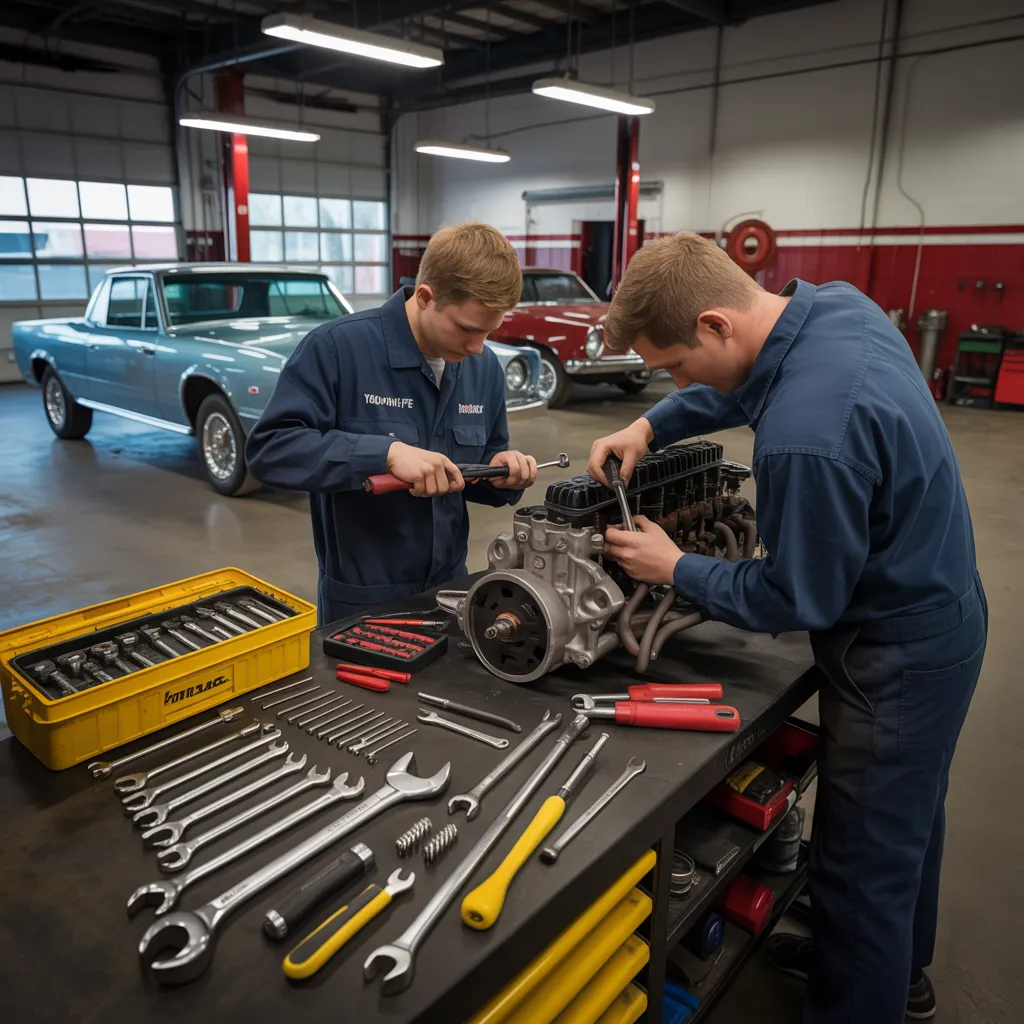
Proper maintenance is essential for maximizing the performance and lifespan of a Ski-Doo. Regular oil changes and a thorough track inspection checklist are essential practices that every owner should follow. These steps not only ensure a smoother ride but also improve safety on winter adventures.
Routine Oil Changes
Keeping ideal performance in a Ski-Doo depends on regular oil changes, a vital aspect of its upkeep. Engine oil lubricates critical components, minimizing friction and preventing wear. Over time, oil degrades and becomes contaminated, which can result in reduced efficiency and potential engine damage. It is recommended that owners check the oil level regularly and change it following the manufacturer's specifications, typically after every 1,000 kilometers or annually, whichever comes first. Using the correct oil type is similarly important, as it provides maximum performance and protection. Ignoring oil changes can result in costly repairs, underscoring the significance of this routine maintenance task for prolonging the life of the Ski-Doo and enhancing the overall riding experience.
Track Evaluation Checklist
Track inspection is equally important for peak performance, and it's just one part of Ski-Doo maintenance along with regular oil changes. A comprehensive track inspection checklist guarantees the Ski-Doo runs efficiently and safely. First, look for any observable damage, such as tears or punctures in the track. Next, check the alignment and tension of the track; inadequate tension can lead to increased wear and tear. Check the drive belt for indications of fraying or wear, and make sure the track's clips are secure. In addition, check the slides for wear and replace them if necessary. Finally, cleaning the track and removing ice buildup can enhance performance. Consistent adherence to this checklist will increase the life of the Ski-Doo and provide a safer riding experience.
Best Ski-Doo Trails for All Skill Levels
Discovering leading Ski-Doo trails provides enthusiasts a diverse range of experiences tailored to all skill levels. For newcomers, trails like the picturesque River Valley Trail deliver easy slopes and spectacular views, providing a smooth introduction to the sport. Moderately experienced riders may discover excitement on the demanding Mountain Ridge Trail, which presents thrilling turns and varied terrain, perfect for developing skills. Expert enthusiasts can take on the demanding Summit Trail, renowned for its steep inclines and thrilling descents, requiring both technique and endurance.
Furthermore, family-friendly alternatives such as the Cozy Pine Trail offer a mixture of easy pathways and beautiful stops, making it well-suited for group outings. Each trail showcases unique landscapes, from tranquil forests to spectacular mountain vistas, appealing to a wide audience. No matter skill level, Ski-Doo enthusiasts can discover trails that not only challenge them but also enhance their winter experience.
Must-Have Accessories for Ski-Doo Riders
Upon choosing the perfect trail, Ski-Doo enthusiasts can improve their riding experience with the correct accessories. Essential items include a high-quality helmet for safety, providing protection against impacts and the elements. Goggles with UV protection are crucial for visibility in brilliant sunshine and snowy environments.
In addition, a cozy and insulated riding suit can substantially improve thermal comfort and mobility, making long rides more enjoyable. Hand and foot warmers are indispensable for maintaining comfort during freezing temperatures.
For those who enjoy extended outings, a robust backpack or cargo bag delivers ample storage for important supplies. A first aid kit is also suggested for emergency situations.
Finally, a GPS or smartphone mount maintains riders on track, permitting easy navigation of trails. With these accessories, Ski-Doo enthusiasts can completely immerse themselves in winter adventures while maintaining focus on safety and comfort.
Questions & Answers
What Are the Best Winter Clothing Options for Ski-Doo Riding?
Optimal winter clothing choices for Ski-Doo riding include insulated, waterproof jackets, thermal base layers, windproof trousers, and durable gloves. Moreover, wearing a helmet and goggles increases comfort and safety during cold and snowy weather.
How Should I Transport My Ski-Doo Safely?
To transport a Ski-Doo safely, one should use a appropriate trailer, secure the vehicle with securing straps, and ensure it is properly balanced. Moreover, check tire pressure and lights before beginning the journey.
Do Ski-Doo Riding Groups or Communities to Join?
You'll find many ski-doo riding clubs and communities available. These groups typically provide opportunities for socializing, organized rides, and sharing experiences, which makes it simpler for enthusiasts to connect and elevate their riding adventures.
What Are Typical Ski-Doo Troubleshooting Tips?
Standard troubleshooting tips for ski-doos include inspecting fuel levels, inspecting spark plugs, verifying adequate oil levels, examining the battery connections, and checking the condition of belts. Consistent servicing can prevent many problems and improve performance.
Is a One-Day Ski-Doo Rental Available?
Yes, many rental companies offer ski-doos for daily use. Individuals should check local rental policies, availability, and required documentation. Additionally, understanding rental agreements and potential insurance options is advisable before proceeding with the rental.